Keto Kitchen Get the appObtener la app

Free from Keto KitchenGratis de Keto Kitchen

10 keto recipes, free10 recetas keto, gratis

The full cards from the app: ingredients, steps, temperatures, timers and net carbs per serving. Cook them, print them, keep them. No email needed.Las recetas completas de la app: ingredientes, pasos, temperaturas, temporizadores y carbohidratos netos por porción. Cocínalas, imprímelas, quédatelas. Sin dar tu correo.

Net carbs = total carbs minus fiber, per serving. It's the big number on each recipe.Carbohidratos netos = carbohidratos totales menos fibra, por porción. Es el número grande en cada receta.

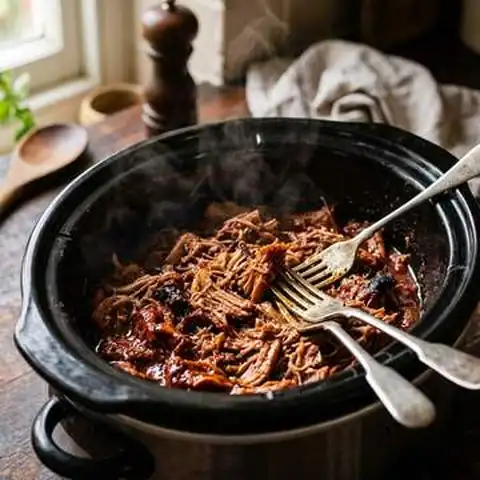
  1. Slow Cooker BBQ Pulled PorkPulled pork BBQ en olla de cocción lenta4.8 g
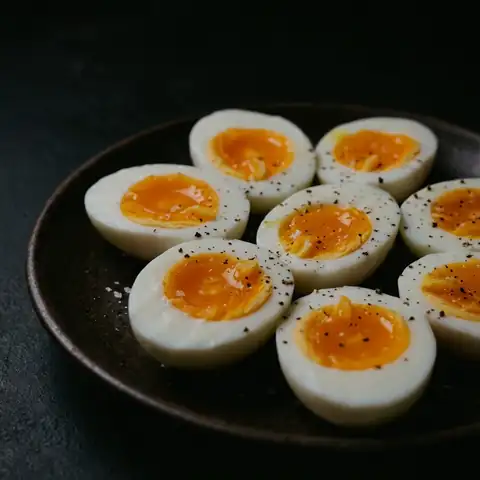
  2. Boiled Eggs: Soft, Jammy or HardHuevos cocidos: tiernos, de yema cremosa o duros1.7 g
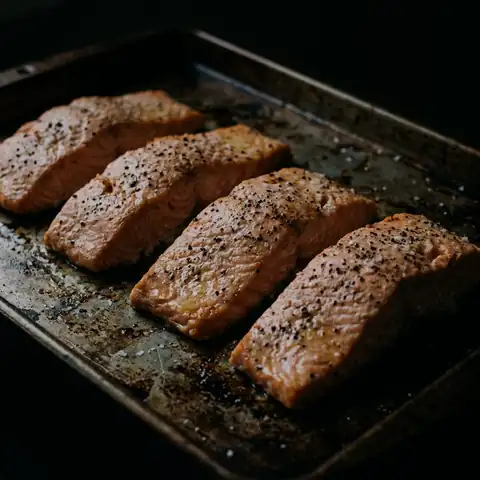
  3. Oven-Baked Salmon, Zero EffortSalmón al horno, cero esfuerzo0 g
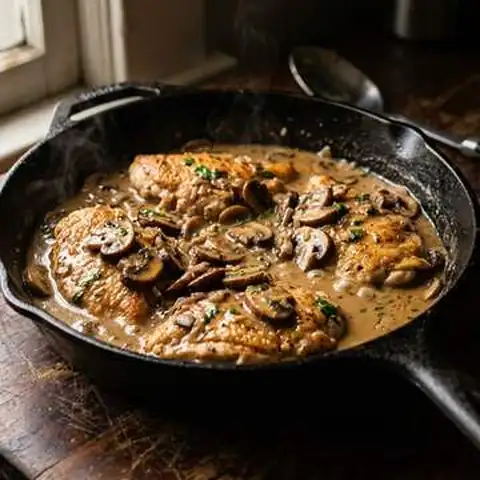
  4. Chicken MarsalaPollo a la marsala8 g
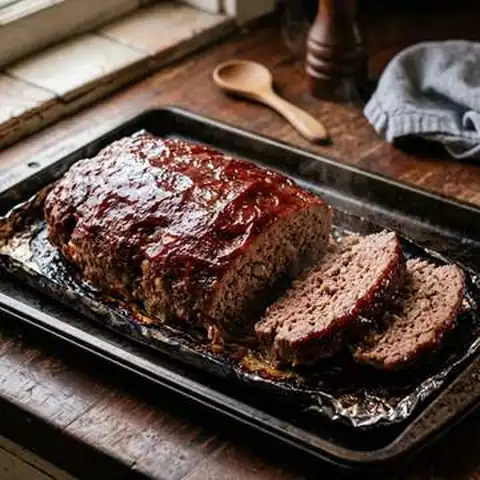
  5. Keto Meatloaf with Sugar-Free GlazePastel de carne keto con glaseado sin azúcar6.3 g
  6. Carne Asada (Flap or Thin Skirt)Carne Asada (Bavette o Arrachera Delgada)0 g
  7. Broccoli Cheddar SoupSopa de brócoli con queso cheddar9.3 g
  8. Pan-Seared Lamb ChopsChuletas de Cordero Selladas en Sartén0 g
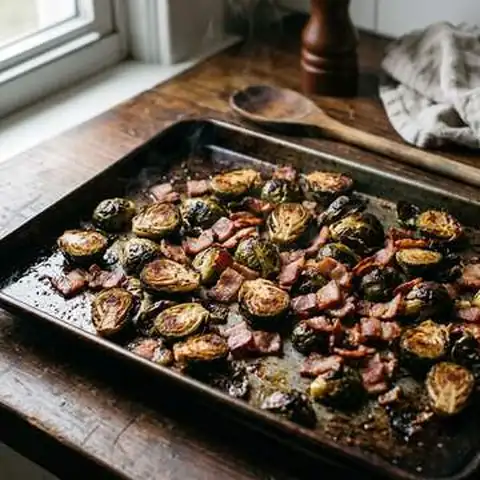
  9. Crispy Roasted Brussels Sprouts with BaconColes de Bruselas rostizadas crujientes con tocino9.3 g
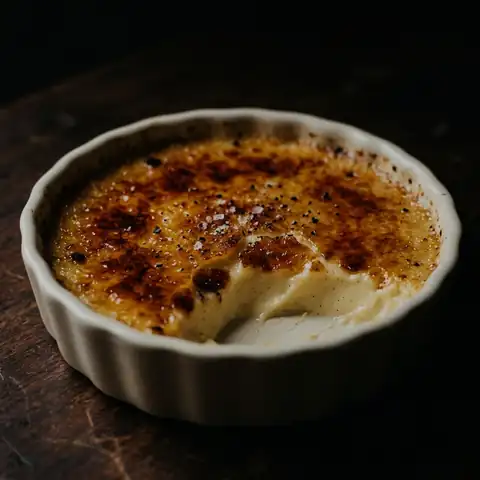
  10. Classic Crème BrûléeCrème brûlée clásica4 g

Get all 872 recipesVer las 872 recetas

Slow Cooker BBQ Pulled Pork

Slow Cooker

Slow Cooker BBQ Pulled Pork

Serves 4 · Hands-on 20 min · Total 8 hr 35 min

4.8 gnet carbs
Per serving · About 1½ cups shredded pork in sauce (¼ of the batch)
Total carbs 12.3 g · Fiber 1.6 g · Sugar alcohols 5.9 g
666 cal · 61 g protein · 43 g fat
Sweetener: allulose (tested); erythritol can turn gritty in this thin sauce as it cools, so use allulose here
Slow cooker, LOW 8 hr (or HIGH 5 hr)8 hr LOW / 5 hr HIGH

You need

  • 3 lb boneless pork shoulder (Boston butt), in 2 big pieces
  • 1 tbsp smoked paprika
  • 1 tsp garlic powder
  • 1 tsp onion powder
  • Salt (1½ tsp)
  • Black pepper (½ tsp)
  • ¼ cup apple cider vinegar
  • ½ cup chicken broth (check the label for sugar)
  • ¼ cup tomato paste
  • 2 tbsp allulose
  • 1 tbsp Worcestershire sauce (check the label for sugar)
  • 1 tbsp yellow mustard

Do this

  1. Take the pork out of the fridge. It must be fully thawed, never frozen, or it sits too long at an unsafe temperature. Pat it dry with paper towels.
  2. In a small bowl, mix the smoked paprika, garlic powder, onion powder, salt and pepper. Rub it over every side of the pork with your hands.
  3. Pour the vinegar and broth into the slow cooker. Set the pork in, fat side up. Put the lid on. Cook on LOW 8 hours, or on HIGH 5 hours. Do not lift the lid while it cooks: every peek lets the heat out and adds about 20 minutes.
  4. Check it: a fork pushed into the thickest part twists with no push back and the meat reads 200 to 205°F. If it still fights you, put the lid back on and cook 30 to 60 minutes more.
  5. Move the pork to a big bowl. Pour the liquid from the slow cooker into a measuring cup and let it sit 2 minutes. Spoon off the fat on top. Keep 1 cup of the liquid.
  6. In the empty slow cooker, whisk the kept liquid with the tomato paste, allulose, Worcestershire and mustard until smooth. Whisk = stir fast with a whisk until no lumps are left.
  7. Pull the pork apart with 2 forks. Throw away any big fat pieces. Put the shredded pork back in the sauce and stir. Lid on, HIGH 15 minutes to soak up the sauce. Serve hot.
Don't screw it upPulled pork is not done at 145°F. It needs 200 to 205°F so the connective tissue melts and the meat pulls apart. If you shred at 180°F it comes out in chewy chunks. Give it the full time and test with a fork, not the clock.
Allulose, not erythritol, here: allulose dissolves into the sauce and stays smooth when it cools. Erythritol can turn gritty in a thin sauce. Monk fruit blends are erythritol-based and do the same.
Keep it juicy optional
Buy a shoulder with a thick fat cap and cook it fat side up. The fat melts down through the meat for 8 hours, which is why pulled pork stays juicy and a lean loin would not.

Timers tap one to start it

In the app this card also has: 18 vitamins and minerals with % Daily Value, 0.5x to 4x scaling, Cook Mode, the shopping list and Log it.

Olla lenta

Pulled pork BBQ en olla de cocción lenta

Rinde 4 · Trabajo activo 20 min · Total 8 h 35 min

4.8 gcarbs netos
Por porción · Aproximadamente 1½ tazas de cerdo deshebrado con salsa (¼ de la receta)
Carbohidratos totales 12.3 g · Fibra 1.6 g · Alcoholes de azúcar 5.9 g
666 cal · 61 g proteína · 43 g grasa
Endulzante: alulosa (probada); el eritritol puede volverse arenoso en esta salsa ligera al enfriarse, así que aquí usa alulosa
Olla de cocción lenta, LOW 8 h (o HIGH 5 h)8 h en LOW / 5 h en HIGH

Necesitas

  • 3 lb (1.36 kg) de espaldilla de cerdo sin hueso (Boston butt), en 2 piezas grandes
  • 1 cda de pimentón ahumado
  • 1 cdta de ajo en polvo
  • 1 cdta de cebolla en polvo
  • Sal (1½ cdta)
  • Pimienta negra (½ cdta)
  • ¼ de taza de vinagre de manzana
  • ½ taza de caldo de pollo (revisa la etiqueta, sin azúcar)
  • ¼ de taza de pasta de tomate
  • 2 cda de alulosa
  • 1 cda de salsa Worcestershire (revisa la etiqueta, sin azúcar)
  • 1 cda de mostaza amarilla

Prepáralo así

  1. Saca el cerdo del refri. Debe estar totalmente descongelado, nunca congelado, o pasa demasiado tiempo a una temperatura peligrosa. Sécalo con toallas de papel.
  2. En un tazón chico, mezcla el pimentón ahumado, el ajo en polvo, la cebolla en polvo, la sal y la pimienta. Úntalo con las manos por todos los lados del cerdo.
  3. Vierte el vinagre y el caldo en la olla de cocción lenta. Acomoda el cerdo con la grasa hacia arriba. Tapa. Cocina en LOW 8 horas, o en HIGH 5 horas. No levantes la tapa mientras se cocina: cada vez que la abres se escapa el calor y agregas unos 20 minutos.
  4. Revisa: un tenedor clavado en la parte más gruesa gira sin resistencia y la carne marca 200 a 205°F/93 a 96°C. Si todavía se resiste, vuelve a tapar y cocina 30 a 60 minutos más.
  5. Pasa el cerdo a un tazón grande. Vierte el líquido de la olla en una taza medidora y déjalo reposar 2 minutos. Quita con una cuchara la grasa de arriba. Guarda 1 taza del líquido.
  6. En la olla vacía, bate el líquido guardado con la pasta de tomate, la alulosa, la Worcestershire y la mostaza hasta que quede liso. Batir = revolver rápido con un batidor de globo hasta que no queden grumos.
  7. Deshebra el cerdo con 2 tenedores. Tira los trozos grandes de grasa. Regresa el cerdo deshebrado a la salsa y revuelve. Tapa, HIGH 15 minutos para que absorba la salsa. Sirve caliente.
No la arruinesEl pulled pork no está listo a 145°F/63°C. Necesita 200 a 205°F/93 a 96°C para que el tejido conectivo se derrita y la carne se deshebre. Si lo deshebras a 180°F/82°C sale en trozos chiclosos. Dale el tiempo completo y prueba con un tenedor, no con el reloj.
Alulosa, no eritritol, aquí: la alulosa se disuelve en la salsa y queda lisa al enfriarse. El eritritol puede volverse arenoso en una salsa ligera. Las mezclas de fruta del monje son a base de eritritol y hacen lo mismo.
Para que quede jugoso opcional
Compra una espaldilla con una capa gruesa de grasa y cocínala con la grasa hacia arriba. La grasa se derrite sobre la carne durante 8 horas; por eso el pulled pork queda jugoso y un lomo magro no.

Temporizadores toca uno para iniciarlo

En la app esta receta también trae: 18 vitaminas y minerales con % del valor diario, porciones de 0.5x a 4x, Modo cocina, la lista de compras y Registrar.
Boiled Eggs: Soft, Jammy or Hard

Breakfast & Eggs

Boiled Eggs: Soft, Jammy or Hard

Serves 2 · Hands-on 5 min · Total 25 min

1.7 gnet carbs
Per serving · 3 eggs
Total carbs 1.7 g · Fiber 0 g
232 cal · 19 g protein · 16 g fat
Stovetop, rolling boil6–12 min in the water, plus 5 min ice bath

You need

  • 6 large eggs, straight from the fridge
  • A big pot of water
  • A bowl of ice water
  • Butter and salt, for serving
  • Black pepper (to taste)

Do this

  1. Fill a big pot with water. Bring it to a full rolling boil (big bubbles that don't stop). Set a bowl of ice water next to the stove.
  2. Take the eggs straight from the fridge, cold. Lower them into the water with a spoon. Start the timer the second the last egg goes in. Cold eggs into boiling water is what makes the timing the same every time.
  3. Pick your yolk: 6 minutes for soft and runny, 7 minutes for jammy, 9 minutes for firm but still gold in the middle, 12 minutes for fully hard.
  4. Move them straight into the ice water for 5 minutes. This stops the cooking, and it's the whole reason they peel clean.
  5. Crack the shells all over. Peel them under a thin stream of running water. Eat them with butter, salt, and black pepper, or keep them in the fridge for the week.
Don't screw it upThe clock starts when the egg hits the boiling water, not when the pot goes on the stove. Thirty seconds is the difference between runny and jammy. Move them into the ice water right away. In the shell they keep cooking, and warm eggs don't peel.
Meal prep: a dozen at 12 minutes on Sunday is grab-and-go protein all week. A dozen at 7 is the same thing with a better yolk.

Timers tap one to start it

In the app this card also has: 18 vitamins and minerals with % Daily Value, 0.5x to 4x scaling, Cook Mode, the shopping list and Log it.

Desayuno y Huevos

Huevos cocidos: tiernos, de yema cremosa o duros

Rinde 2 · Trabajo activo 5 min · Total 25 min

1.7 gcarbs netos
Por porción · 3 huevos
Carbohidratos totales 1.7 g · Fibra 0 g
232 cal · 19 g proteína · 16 g grasa
Estufa, hervor fuerte6–12 min en el agua, más 5 min en agua con hielo

Necesitas

  • 6 huevos grandes, directo del refri
  • Una olla grande con agua
  • Un tazón con agua y hielo
  • Mantequilla y sal, para servir
  • Pimienta negra (al gusto)

Prepáralo así

  1. Llena una olla grande con agua. Llévala a un hervor fuerte y constante (burbujas grandes que no paran). Ten listo junto a la estufa un tazón con agua y hielo.
  2. Saca los huevos del refri, fríos. Bájalos al agua con una cuchara. Empieza el cronómetro en cuanto entre el último. Huevos fríos en agua hirviendo es lo que hace que el tiempo salga igual cada vez.
  3. Elige tu yema: 6 minutos para tierna y líquida, 7 minutos para cremosa, 9 minutos para firme pero todavía dorada al centro, 12 minutos para completamente dura.
  4. Pásalos directo al agua con hielo por 5 minutos. Esto detiene la cocción y es la razón por la que se pelan limpios.
  5. Quiebra el cascarón por todos lados. Pélalos bajo un hilito de agua del grifo. Cómelos con mantequilla, sal y pimienta negra, o guárdalos en el refri para toda la semana.
No la arruinesEl reloj empieza cuando el huevo toca el agua hirviendo, no cuando pones la olla al fuego. Treinta segundos son la diferencia entre líquido y cremoso. Al agua con hielo de inmediato: dentro de la cáscara siguen cocinándose, y los huevos tibios no se pelan.
Meal prep: una docena a 12 minutos el domingo es proteína lista para llevar toda la semana. Una docena a 7 es lo mismo, pero con mejor yema.

Temporizadores toca uno para iniciarlo

En la app esta receta también trae: 18 vitaminas y minerales con % del valor diario, porciones de 0.5x a 4x, Modo cocina, la lista de compras y Registrar.
Oven-Baked Salmon, Zero Effort

Fish & Seafood

Oven-Baked Salmon, Zero Effort

Serves 4 · Hands-on 3 min · Total 25 min

0 gnet carbs
Per serving · 1 salmon fillet (7 oz)
Total carbs 0 g · Fiber 0 g
350 cal · 38 g protein · 21 g fat
Oven, 375°F12–15 min

You need

  • 4 salmon fillets (6–7 oz, about 1-inch thick)
  • 2 tbsp melted butter
  • Salt
  • Black pepper (to taste)

Do this

  1. Heat the oven to 375°F. Put the salmon on a lined baking sheet. Brush it with melted butter. Salt it generously, and add black pepper too.
  2. Bake at 375°F for 12–15 minutes. Check it at 12 minutes. Push a thermometer into the thickest part. Take it out of the oven when it reads 140°F. It rises to 145°F as it sits. It should be opaque and just flake, but still look moist.
  3. Serve straight from the pan.
Don't screw it upPlan on about 12 minutes per inch of thickness at 375°F. A thin fillet is done at 10 minutes, not 15, so check early. It's done when it's opaque and just flakes but still looks moist, at 140°F. It climbs to 145°F as it sits.
Thickness sets the clock: plan on 12–14 minutes per inch of thickness at 375°F. Thinner fillets are done at 10 minutes. A thermometer reading 140°F beats any clock.
Keep it juicy optional
Salt the salmon 30 to 45 minutes ahead and leave it uncovered on a rack in the fridge, then pat dry. It seasons the fish all the way through and helps it stay moist.

Timers tap one to start it

Air fryer, 400°F7–10 min

You need

  • 4 salmon fillets (6–7 oz, about 1-inch thick)
  • 2 tbsp melted butter
  • Salt
  • Black pepper (to taste)

Do this

  1. Brush the salmon with melted butter. Salt it generously. Put a square of foil in the basket and lay the salmon on it, skin side down. Keep it to one layer with nothing touching; cook in batches if you need to.
  2. Air fry at 400°F for 7–10 minutes. Don't flip it. Check it at 7 minutes. Push a thermometer into the thickest part. Take it out when it reads 140°F. It rises to 145°F as it sits. It should be opaque and just flake, but still look moist.
  3. Serve straight off the foil.
Don't screw it upPlan on about 8 minutes per inch of thickness at 400°F in the basket. A thin fillet is done at 7 minutes, not 10, so check early. At 140°F, take it out; it climbs to 145°F as it sits. Put it skin side down on foil so it doesn't stick to the grate.

Timers tap one to start it

In the app this card also has: 18 vitamins and minerals with % Daily Value, 0.5x to 4x scaling, Cook Mode, the shopping list and Log it.

Pescado y Mariscos

Salmón al horno, cero esfuerzo

Rinde 4 · Trabajo activo 3 min · Total 25 min

0 gcarbs netos
Por porción · 1 filete de salmón (7 oz / 200 g)
Carbohidratos totales 0 g · Fibra 0 g
350 cal · 38 g proteína · 21 g grasa
Horno, 375°F / 190°C12–15 min

Necesitas

  • 4 filetes de salmón (6–7 oz / 170–200 g, de 1 pulgada / 2.5 cm de grosor)
  • 2 cda de mantequilla derretida
  • Sal
  • Pimienta negra (al gusto)

Prepáralo así

  1. Precalienta el horno a 375°F/190°C. Pon el salmón en una charola forrada. Barnízalo con mantequilla derretida. Sálalo generosamente y ponle pimienta negra también.
  2. Hornea a 375°F/190°C por 12–15 minutos. Revisa a los 12 minutos. Mete el termómetro en la parte más gruesa. Sácalo del horno cuando el termómetro marque 140°F/60°C. Sube a 145°F/63°C mientras reposa. Debe verse opaco y apenas soltar hojuelas, pero todavía jugoso.
  3. Sirve directo de la charola.
No la arruinesCalcula unos 12 minutos por pulgada (2.5 cm) de grosor a 375°F/190°C. Un filete delgado está listo a los 10 minutos, no a los 15, así que revisa temprano. Está listo cuando se ve opaco y apenas suelta hojuelas pero sigue jugoso, a 140°F/60°C. Sube a 145°F/63°C mientras reposa.
El grosor marca el reloj: calcula 12–14 minutos por pulgada (2.5 cm) de grosor a 375°F/190°C. Los filetes más delgados están listos a los 10 minutos. Un termómetro que marque 140°F/60°C vale más que cualquier reloj.
Para que quede jugoso opcional
Sala el salmón de 30 a 45 minutos antes y déjalo destapado sobre una rejilla en el refri; luego sécalo. Se sazona hasta adentro y se mantiene más jugoso.

Temporizadores toca uno para iniciarlo

Freidora de aire, 400°F / 205°C7–10 min

Necesitas

  • 4 filetes de salmón (6–7 oz / 170–200 g, de 1 pulgada / 2.5 cm de grosor)
  • 2 cda de mantequilla derretida
  • Sal
  • Pimienta negra (al gusto)

Prepáralo así

  1. Barniza el salmón con mantequilla derretida. Sálalo generosamente. Pon un cuadro de papel aluminio en la canasta y acomoda el salmón encima, con la piel hacia abajo. Una sola capa, sin que se toquen; cocina por tandas si hace falta.
  2. Cocina a 400°F/205°C por 7–10 minutos. No lo voltees. Revisa a los 7 minutos. Mete el termómetro en la parte más gruesa. Sácalo cuando marque 140°F/60°C. Sube a 145°F/63°C mientras reposa. Debe verse opaco y apenas soltar hojuelas, pero todavía jugoso.
  3. Sirve directo del papel aluminio.
No la arruinesCalcula unos 8 minutos por pulgada (2.5 cm) de grosor a 400°F/205°C en la canasta. Un filete delgado está listo a los 7 minutos, no a los 10, así que revisa temprano. A 140°F/60°C, sácalo; sube a 145°F/63°C mientras reposa. Ponlo con la piel hacia abajo sobre papel aluminio para que no se pegue a la rejilla.

Temporizadores toca uno para iniciarlo

En la app esta receta también trae: 18 vitaminas y minerales con % del valor diario, porciones de 0.5x a 4x, Modo cocina, la lista de compras y Registrar.
Chicken Marsala

Chicken

Chicken Marsala

Serves 4 · Hands-on 35 min · Total 35 min

8 gnet carbs
Per serving · 1 cutlet (about 6 oz raw chicken) with mushrooms and sauce
Total carbs 8.7 g · Fiber 0.6 g
483 cal · 41 g protein · 28 g fat
Stovetop, medium-high25–28 min

You need

  • 1½ lb boneless skinless chicken breasts (2 large)
  • Salt (¾ tsp) and black pepper (¼ tsp)
  • 2 tbsp olive oil
  • 2 tbsp butter, divided
  • 8 oz cremini mushrooms, sliced
  • 1 small shallot, minced (about 3 tbsp)
  • 2 cloves garlic, minced
  • 1 tsp fresh thyme leaves (or ¼ tsp dried)
  • ½ cup dry Marsala wine (no alcohol: ½ cup more chicken broth plus 1 tsp red wine vinegar)
  • ½ cup chicken broth (check the label for sugar)
  • ½ cup heavy cream

Do this

  1. Lay each chicken breast flat on a cutting board. Press your palm on top and slice it in half through the side to make 2 thin cutlets, about ½ inch thick. Pat them dry with paper towels. Sprinkle both sides with the salt and pepper.
  2. Heat the oil in a 12-inch skillet over medium-high heat until it shimmers (small ripples on top). Add the cutlets in one layer. Cook 4 to 5 minutes without moving them, until golden. Flip. Cook 4 to 5 minutes more, until a thermometer in the thickest part reads 165°F. Move the chicken to a plate and cover it with foil.
  3. Turn the heat to medium. Add 1 tbsp of the butter and the mushrooms. Spread them out. Cook 5 to 6 minutes, stirring every 2 minutes, until they are browned and the pan looks dry. Add the shallot, garlic and thyme. Stir 1 minute.
  4. Pour in the Marsala. Scrape the brown bits off the bottom with a wooden spoon. Let it bubble 2 to 3 minutes, until about half of it is gone.
  5. Add the broth and cream. Simmer 4 to 5 minutes, stirring now and then, until the sauce coats the back of a spoon.
  6. Turn the heat to low. Stir in the last 1 tbsp of butter until it melts. Put the chicken and its juices back in the pan. Spoon the sauce and mushrooms over the chicken and warm 2 minutes. Serve.
Don't screw it upBuy dry Marsala (it says dry or secco on the label), never sweet (dolce). Sweet Marsala has a lot more sugar, makes the sauce taste like dessert and pushes the carbs up.
Reduce the wine first: boiling off half the Marsala before the broth and cream go in cooks off the sharp raw-wine taste and leaves the deep, nutty flavor.
Keep it juicy optional
Cut the breasts into even ½-inch cutlets and pull them at 165°F. They go back into the hot sauce at the end, so they don't need extra time in the pan.

Timers tap one to start it

In the app this card also has: 18 vitamins and minerals with % Daily Value, 0.5x to 4x scaling, Cook Mode, the shopping list and Log it.

Pollo

Pollo a la marsala

Rinde 4 · Trabajo activo 35 min · Total 35 min

8 gcarbs netos
Por porción · 1 filete (unos 170 g de pollo crudo) con champiñones y salsa
Carbohidratos totales 8.7 g · Fibra 0.6 g
483 cal · 41 g proteína · 28 g grasa
Estufa, fuego medio-alto25–28 min

Necesitas

  • 1½ lb (680 g) de pechuga de pollo sin hueso ni piel (2 grandes)
  • Sal (¾ cdta) y pimienta negra (¼ cdta)
  • 2 cda de aceite de oliva
  • 2 cda de mantequilla, dividida
  • 8 oz (225 g) de champiñones cremini, rebanados
  • 1 chalote chico, picado fino (unas 3 cda)
  • 2 dientes de ajo, picados finos
  • 1 cdta de hojas de tomillo fresco (o ¼ cdta de tomillo seco)
  • ½ taza de vino Marsala seco (sin alcohol: ½ taza más de caldo de pollo y 1 cdta de vinagre de vino tinto)
  • ½ taza de caldo de pollo (revisa la etiqueta por azúcar)
  • ½ taza de crema para batir

Prepáralo así

  1. Pon cada pechuga plana sobre una tabla. Presiona con la palma encima y córtala a la mitad por el costado para hacer 2 filetes delgados, de 1.3 cm (½ pulgada) de grosor. Sécalos con toallas de papel. Espolvorea ambos lados con la sal y la pimienta.
  2. Calienta el aceite en una sartén de 30 cm (12 pulgadas) a fuego medio-alto hasta que brille (pequeñas ondas encima). Agrega los filetes en una sola capa. Cocina 4 a 5 minutos sin moverlos, hasta que estén dorados. Voltea. Cocina 4 a 5 minutos más, hasta que el termómetro en la parte más gruesa marque 165°F/74°C. Pasa el pollo a un plato y tápalo con papel aluminio.
  3. Baja a fuego medio. Agrega 1 cda de la mantequilla y los champiñones. Extiéndelos. Cocina 5 a 6 minutos, revolviendo cada 2 minutos, hasta que estén dorados y la sartén se vea seca. Agrega el chalote, el ajo y el tomillo. Revuelve 1 minuto.
  4. Vierte el Marsala. Raspa los pedacitos dorados del fondo con una cuchara de madera. Deja que hierva 2 a 3 minutos, hasta que se evapore la mitad.
  5. Agrega el caldo y la crema. Cocina a fuego suave 4 a 5 minutos, revolviendo de vez en cuando, hasta que la salsa cubra el revés de una cuchara.
  6. Baja a fuego bajo. Agrega la última cda de mantequilla y revuelve hasta que se derrita. Regresa el pollo con su jugo a la sartén. Báñalo con la salsa y los champiñones y calienta 2 minutos. Sirve.
No la arruinesCompra Marsala seco (dice seco o secco en la etiqueta), nunca dulce (dolce). El Marsala dulce tiene mucha más azúcar, hace que la salsa sepa a postre y sube los carbohidratos.
Reduce primero el vino: evaporar la mitad del Marsala antes de agregar el caldo y la crema quita el sabor fuerte del vino crudo y deja el sabor profundo, como a nuez.
Para que quede jugoso opcional
Corta las pechugas en filetes parejos de 1.3 cm y sácalos a 165°F/74°C. Regresan a la salsa caliente al final, así que no necesitan más tiempo en la sartén.

Temporizadores toca uno para iniciarlo

En la app esta receta también trae: 18 vitaminas y minerales con % del valor diario, porciones de 0.5x a 4x, Modo cocina, la lista de compras y Registrar.
Keto Meatloaf with Sugar-Free Glaze

Beef

Keto Meatloaf with Sugar-Free Glaze

Serves 4 · Hands-on 15 min · Total 1 hr 20 min

6.3 gnet carbs
Per serving · 2 slices (¼ of the loaf, 6 oz raw beef)
Total carbs 8 g · Fiber 1.7 g
526 cal · 40 g protein · 37 g fat
Oven, 350°F50–55 min

You need

  • 1½ lb ground beef (85/15)
  • 1 large egg
  • ½ cup fine blanched almond flour
  • ⅓ cup grated parmesan
  • ¼ cup finely chopped onion
  • 2 cloves fresh garlic, minced
  • 2 tsp Worcestershire sauce
  • Salt (1 tsp)
  • Black pepper (½ tsp)
  • ⅓ cup sugar-free ketchup (check the label for sugar)
  • 2 tsp yellow mustard

Do this

  1. Heat the oven to 350°F. Line a rimmed sheet pan with foil.
  2. In a large bowl, beat the egg with a fork. Add the almond flour, parmesan, onion, garlic, Worcestershire, salt and pepper. Stir. Add the beef and mix with your hands just until even. Don't squeeze it.
  3. Turn the mix out onto the foil. Shape it into a loaf about 8 inches long, 4 inches wide and 2 inches tall. Pat the top smooth. A free-form loaf browns on all sides; a loaf pan steams it in its own fat.
  4. Stir the ketchup and mustard in a small bowl. Spread half of it over the top of the loaf.
  5. Bake 35 minutes. Spread the rest of the glaze on top. Bake 15 to 20 minutes more, until a thermometer in the center reads 160°F.
  6. Rest the meatloaf on the pan 10 minutes so the juices settle. Cut it into 8 slices.
Don't screw it upBake to 160°F in the very center, not by time or color. A thick loaf of ground beef can look brown outside and still be underdone inside.
Glaze twice: the first half bakes into a sticky layer, and the second half, added for the last 15 minutes, stays glossy without burning.
Keep it juicy optional
Mix with your hands only until the almond flour and parmesan disappear. Overmixed meatloaf turns dense and dry.

Timers tap one to start it

In the app this card also has: 18 vitamins and minerals with % Daily Value, 0.5x to 4x scaling, Cook Mode, the shopping list and Log it.

Res

Pastel de carne keto con glaseado sin azúcar

Rinde 4 · Trabajo activo 15 min · Total 1 h 20 min

6.3 gcarbs netos
Por porción · 2 rebanadas (¼ del pastel, 170 g de carne cruda)
Carbohidratos totales 8 g · Fibra 1.7 g
526 cal · 40 g proteína · 37 g grasa
Horno, 350°F/175°C50–55 min

Necesitas

  • 1½ lb (680 g) de carne molida de res (85/15)
  • 1 huevo grande
  • ½ taza (56 g) de harina de almendra fina
  • ⅓ de taza (33 g) de queso parmesano rallado
  • ¼ de taza de cebolla picada fina
  • 2 dientes de ajo fresco, picados finos
  • 2 cdta de salsa inglesa
  • Sal (1 cdta)
  • Pimienta negra (½ cdta)
  • ⅓ de taza de ketchup sin azúcar (revisa la etiqueta por azúcar)
  • 2 cdta de mostaza amarilla

Prepáralo así

  1. Calienta el horno a 350°F/175°C. Forra una charola con borde con papel aluminio.
  2. En un tazón grande, bate el huevo con un tenedor. Agrega la harina de almendra, el parmesano, la cebolla, el ajo, la salsa inglesa, la sal y la pimienta. Revuelve. Agrega la carne y mezcla con las manos solo hasta integrar. No la aprietes.
  3. Pasa la mezcla al papel aluminio. Dale forma de pan de unos 20 cm de largo, 10 cm de ancho y 5 cm de alto. Empareja la superficie. Un pastel formado a mano se dora por todos lados; un molde lo cuece en su propia grasa.
  4. Mezcla el ketchup y la mostaza en un tazón chico. Unta la mitad encima del pastel.
  5. Hornea 35 minutos. Unta el resto del glaseado encima. Hornea 15 a 20 minutos más, hasta que el termómetro en el centro marque 160°F/71°C.
  6. Reposa el pastel de carne en la charola 10 minutos para que se asienten los jugos. Córtalo en 8 rebanadas.
No la arruinesHornea hasta 160°F/71°C en el centro exacto, no por tiempo ni por color. Un pastel grueso de carne molida puede verse dorado por fuera y estar crudo por dentro.
Glasea dos veces: la primera mitad se hornea en una capa pegajosa, y la segunda, que va en los últimos 15 minutos, queda brillante sin quemarse.
Para que quede jugoso opcional
Mezcla con las manos solo hasta que la harina de almendra y el parmesano desaparezcan. Si lo mezclas de más, queda denso y seco.

Temporizadores toca uno para iniciarlo

En la app esta receta también trae: 18 vitaminas y minerales con % del valor diario, porciones de 0.5x a 4x, Modo cocina, la lista de compras y Registrar.
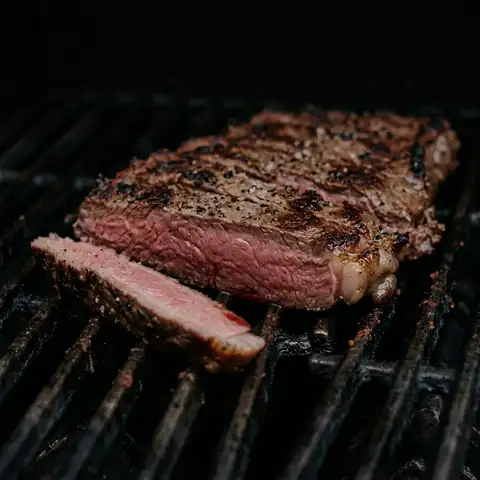
Carne Asada (Flap or Thin Skirt)

On the Grill

Carne Asada (Flap or Thin Skirt)

Serves 3 · Hands-on 10 min · Total 35 min

0 gnet carbs
Per serving · 8 oz sliced
Total carbs 0 g · Fiber 0 g
496 cal · 46 g protein · 35 g fat
Grill, direct high heat6–8 min

You need

  • 1½ lb flap meat or thin skirt steak (the carne asada pack)
  • Juice of 2 limes
  • 1 tbsp salt
  • 1 tsp black pepper
  • 1 tsp garlic powder (optional)
  • 1 tsp cumin (optional)

Do this

  1. Pat the meat dry. Rub it with the lime juice, salt, pepper, garlic powder, and the cumin if using. Leave it on the counter 20 minutes, no longer. The lime keeps 'cooking' it.
  2. Get the grill very hot. Cook the meat right over the fire (direct heat). Thin meat: 3 minutes per side. Thicker flap: 4 minutes per side. You want it charred outside and pink inside.
  3. Let it rest 5 minutes (let it sit on a board, don't cut it yet). First cut the meat into 4–5 inch pieces along the grain (along the lines in the meat). Then turn each piece and slice it thin against the grain: cut across the lines in the meat, not along them. Chop it up if you want it for tacos.
Don't screw it upThis is thin meat over high heat. It goes from perfect to shoe leather in 60 seconds. Stay at the grill and flip once. Take it off when the outside is charred and the inside still gives a little when you press it. Slice against the grain, or every bite is stringy.
Store tip: the pre-marinated carne asada packs usually have sugar and soy in them. Buy the plain flap meat or skirt and season it yourself.

Timers tap one to start it

In the app this card also has: 18 vitamins and minerals with % Daily Value, 0.5x to 4x scaling, Cook Mode, the shopping list and Log it.

A la Parrilla

Carne Asada (Bavette o Arrachera Delgada)

Rinde 3 · Trabajo activo 10 min · Total 35 min

0 gcarbs netos
Por porción · 8 oz (225 g) rebanada
Carbohidratos totales 0 g · Fibra 0 g
496 cal · 46 g proteína · 35 g grasa
Parrilla, fuego directo alto6–8 min

Necesitas

  • 1½ lb (680 g) de bavette o arrachera delgada (el paquete de carne asada)
  • El jugo de 2 limones
  • 1 cda de sal
  • 1 cdta de pimienta negra
  • 1 cdta de ajo en polvo (opcional)
  • 1 cdta de comino (opcional)

Prepáralo así

  1. Seca la carne. Úntale el jugo de limón, la sal, la pimienta, el ajo en polvo y el comino, si lo usas. Déjala 20 minutos a temperatura ambiente, ni uno más. El limón sigue “cocinándola”.
  2. Calienta la parrilla muy fuerte. Cocina la carne justo encima del fuego (fuego directo). Carne delgada: 3 minutos por lado. Bavette más gruesa: 4 minutos por lado. La quieres chamuscada por fuera y rosada por dentro.
  3. Déjala reposar 5 minutos (déjala sobre una tabla, no la cortes todavía). Primero corta la carne en tramos de 4–5 pulgadas (10–13 cm) a lo largo de la fibra (siguiendo las líneas de la carne). Luego gira cada pedazo y rebánalo delgado en contra de la fibra: corta atravesando las líneas de la carne, no a lo largo. Pícala si la quieres para tacos.
No la arruinesEs carne delgada sobre fuego alto. Pasa de perfecta a suela de zapato en 60 segundos. Quédate junto a la parrilla y voltéala una sola vez. Retírala cuando el exterior esté chamuscado y el interior todavía ceda un poco al presionarlo. Rebana en contra de la fibra, o cada bocado queda hilachudo.
Tip de compra: los paquetes de carne asada ya marinada suelen traer azúcar y soya. Compra el bavette o la arrachera natural y sazónala tú.

Temporizadores toca uno para iniciarlo

En la app esta receta también trae: 18 vitaminas y minerales con % del valor diario, porciones de 0.5x a 4x, Modo cocina, la lista de compras y Registrar.
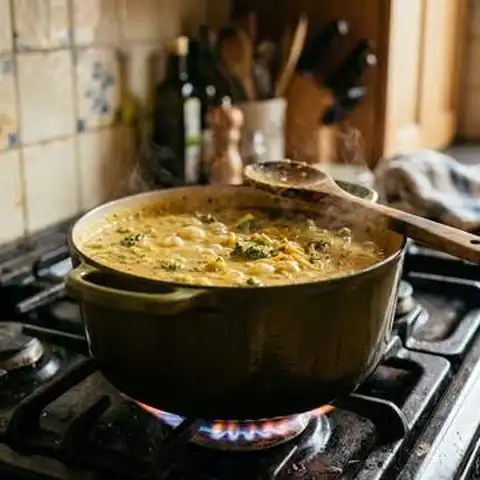
Broccoli Cheddar Soup

Soups & Stews

Broccoli Cheddar Soup

Serves 4 · Hands-on 15 min · Total 35 min

9.3 gnet carbs
Per serving · About 1½ cups (¼ of the pot)
Total carbs 11.6 g · Fiber 2.4 g
501 cal · 19 g protein · 43 g fat
Stovetop, medium-low (simmer)10–12 min simmer

You need

  • 1 tbsp butter
  • ¼ cup onion, finely chopped
  • 2 cloves garlic, minced
  • 3½ cups chicken broth (check the label for sugar)
  • 12 oz broccoli florets, chopped small (about 4 cups)
  • ¾ cup heavy cream
  • 2 oz cream cheese, cut in pieces
  • 8 oz sharp cheddar, shredded from a block (about 2 cups)
  • Salt (½ tsp)
  • Black pepper (¼ tsp)
  • ¼ tsp xanthan gum (for a thicker soup) (optional)

Do this

  1. Melt the butter in a large pot over medium heat. Add the onion and cook 3 to 4 minutes, stirring, until soft and clear. Add the garlic and cook 1 minute, until it smells good but is not brown.
  2. Pour in the broth and add the broccoli. Turn the heat to high and bring it to a boil. Turn the heat down to medium-low so it simmers (simmer = small bubbles, not a rolling boil). Simmer 10 to 12 minutes, until a fork goes into a broccoli stem with no push back.
  3. Blend about half the soup: push an immersion blender into the pot and pulse 5 or 6 times, leaving plenty of broccoli pieces. No immersion blender? Scoop 2 cups into a blender, blend smooth, and pour it back.
  4. Turn the heat to low. Stir in the cream and the cream cheese pieces. Stir 2 minutes, until the cream cheese melts and no white lumps remain. For a thicker soup, sprinkle the xanthan gum over the top while whisking fast, then wait 1 minute.
  5. Turn the burner off. Add the cheddar a handful at a time, stirring until each handful melts before adding the next, about 3 minutes total. The soup must not boil from here on or the cheese turns grainy.
  6. Stir in the salt and pepper. Taste. Add salt if it needs it. Serve hot.
Don't screw it upAdd the cheese with the burner off and never let the soup boil after it goes in. Cheddar that gets too hot curdles into gritty strings and no amount of stirring brings it back. Low heat, a handful at a time, stir until melted.
Shred your own cheese: bagged shredded cheddar is coated with starch so it does not clump. Cheddar shredded from a block melts smooth and adds no hidden carbs.

Timers tap one to start it

In the app this card also has: 18 vitamins and minerals with % Daily Value, 0.5x to 4x scaling, Cook Mode, the shopping list and Log it.

Sopas y guisados

Sopa de brócoli con queso cheddar

Rinde 4 · Trabajo activo 15 min · Total 35 min

9.3 gcarbs netos
Por porción · Unas 1½ tazas (¼ de la olla)
Carbohidratos totales 11.6 g · Fibra 2.4 g
501 cal · 19 g proteína · 43 g grasa
Estufa, fuego medio-bajo (hervor suave)10–12 min de hervor suave

Necesitas

  • 1 cda de mantequilla
  • ¼ de taza de cebolla, picada fina
  • 2 dientes de ajo, picados finos
  • 3½ tazas de caldo de pollo (revisa la etiqueta: sin azúcar)
  • 12 oz (340 g) de floretes de brócoli, picados chicos (unas 4 tazas)
  • ¾ de taza de crema para batir
  • 2 oz (57 g) de queso crema, en trozos
  • 8 oz (225 g) de queso cheddar fuerte, rallado de un bloque (unas 2 tazas)
  • Sal (½ cdta)
  • Pimienta negra (¼ cdta)
  • ¼ cdta de goma xantana (para una sopa más espesa) (opcional)

Prepáralo así

  1. Derrite la mantequilla en una olla grande a fuego medio. Agrega la cebolla y cocina 3 a 4 minutos, revolviendo, hasta que esté suave y transparente. Agrega el ajo y cocina 1 minuto, hasta que huela rico pero sin dorarse.
  2. Vierte el caldo y agrega el brócoli. Sube a fuego alto y deja que hierva. Baja a fuego medio-bajo para que hierva suave (hervor suave = burbujas chicas, no un hervor fuerte). Cocina 10 a 12 minutos, hasta que un tenedor entre en un tallo de brócoli sin resistencia.
  3. Licúa más o menos la mitad de la sopa: mete una licuadora de inmersión en la olla y dale 5 o 6 pulsos, dejando bastantes trozos de brócoli. ¿Sin licuadora de inmersión? Saca 2 tazas a la licuadora, licúa hasta que quede lisa y regrésala a la olla.
  4. Baja a fuego bajo. Agrega la crema y los trozos de queso crema. Revuelve 2 minutos, hasta que el queso crema se derrita y no queden grumos blancos. Para una sopa más espesa, espolvorea la goma xantana encima mientras bates rápido, y espera 1 minuto.
  5. Apaga el quemador. Agrega el cheddar un puñado a la vez, revolviendo hasta que cada puñado se derrita antes de agregar el siguiente, unos 3 minutos en total. De aquí en adelante la sopa no debe hervir o el queso se pone granuloso.
  6. Agrega la sal y la pimienta. Prueba. Agrega sal si le falta. Sirve caliente.
No la arruinesAgrega el queso con el quemador apagado y nunca dejes que la sopa hierva después. El cheddar que se calienta de más se cuaja en hilos arenosos y no hay manera de arreglarlo. Fuego bajo, un puñado a la vez, revuelve hasta que se derrita.
Ralla tu propio queso: el cheddar rallado de bolsa viene cubierto de almidón para que no se pegue. El cheddar rallado de un bloque se derrite liso y no agrega carbohidratos escondidos.

Temporizadores toca uno para iniciarlo

En la app esta receta también trae: 18 vitaminas y minerales con % del valor diario, porciones de 0.5x a 4x, Modo cocina, la lista de compras y Registrar.
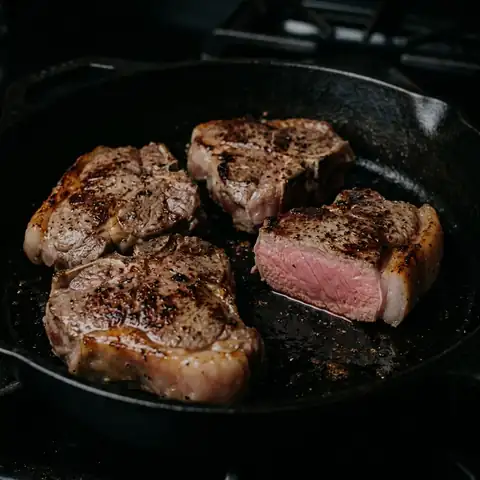
Pan-Seared Lamb Chops

Lamb

Pan-Seared Lamb Chops

Serves 2 · Hands-on 14 min · Total 20 min

0 gnet carbs
Per serving · 2 lamb loin chops
Total carbs 0 g · Fiber 0 g
537 cal · 43 g protein · 39 g fat
Stovetop, High Heat3–4 min per side

You need

  • 4 lamb loin chops (1-inch thick)
  • 2 tbsp tallow or butter
  • Salt
  • Black pepper (to taste)

Do this

  1. Pat the chops completely dry with paper towels. Salt and pepper both sides well.
  2. Put the tallow in a heavy skillet over high heat. Heat it until it shimmers.
  3. Sear the chops 3–4 minutes per side. Then use tongs to stand them up on the fat edge for 60–90 seconds. Take them off the heat at 130°F for medium-rare. Cook in batches; don't crowd the pan.
  4. Let them rest 5 minutes before serving (let them sit, don't cut them yet). The fat edge should be deeply browned and crisp.
Don't screw it up1-inch loin chops cook 3–4 minutes a side. Take them off at 130°F. Past 145, lamb tastes gamey and gets tight. Sear the fat edge for 60–90 seconds, not longer, or it fills the kitchen with smoke.
Don't skip the fat cap sear: stand each chop on its side with tongs for 60–90 seconds so the fat melts out and crisps instead of staying chewy.
Keep it juicy optional
Drop in 1 tbsp butter for the last minute and spoon it over the chops. It bastes the lean loin and adds richness.

Timers tap one to start it

Air fryer, 400°F8–10 min

You need

  • 4 lamb loin chops (1-inch thick)
  • 2 tbsp tallow or butter
  • Salt
  • Black pepper (to taste)

Do this

  1. Pat the chops dry. Salt and pepper them well. Leave them at room temp 20 minutes.
  2. Preheat the basket at 400°F. Stand the chops up on their fat edge if they'll balance. If not, lay them flat, not touching. Cook 4 minutes. Flip them. Cook 3–5 minutes more.
  3. Take them out at 130°F for medium-rare. Lamb loin is small and cooks fast. Let them rest 5 minutes; don't cut them yet.
Don't screw it upIn a basket, loin chops are done in 8 minutes, not 12. Check them at 7. Take them out at 130°F; past 140, lamb tastes like liver.

Timers tap one to start it

In the app this card also has: 18 vitamins and minerals with % Daily Value, 0.5x to 4x scaling, Cook Mode, the shopping list and Log it.

Cordero

Chuletas de Cordero Selladas en Sartén

Rinde 2 · Trabajo activo 14 min · Total 20 min

0 gcarbs netos
Por porción · 2 chuletas de lomo de cordero
Carbohidratos totales 0 g · Fibra 0 g
537 cal · 43 g proteína · 39 g grasa
Estufa, Fuego alto3–4 min por lado

Necesitas

  • 4 chuletas de lomo de cordero, de 1 pulgada (2.5 cm) de grosor
  • 2 cda de sebo de res o mantequilla
  • Sal
  • Pimienta negra

Prepáralo así

  1. Seca las chuletas hasta que no les quede nada de humedad y ponles sal en abundancia y pimienta negra por ambos lados.
  2. Pon el sebo en una sartén pesada a fuego alto. Caliéntalo hasta que brille.
  3. Sella las chuletas 3–4 minutos por lado. Luego, con pinzas, ponlas de canto sobre el borde de grasa 60–90 segundos. Retíralas del fuego a 130°F/54°C para medium-rare. Trabaja por tandas; no amontones la sartén.
  4. Déjalas reposar 5 minutos antes de servir, sin cortarlas todavía. La capa de grasa debe quedar bien dorada y crujiente.
No la arruinesChuletas de lomo de 1 pulgada (2.5 cm): 3–4 minutos por lado, retira a 130°F/54°C. El cordero pasado de 145°F/63°C sabe fuerte y queda tieso. El sellado de la grasa es de 60–90 segundos, no más, o te llena la cocina de humo.
No te saltes el sellado de la grasa: pon cada chuleta de canto con pinzas 60–90 segundos para que la grasa se derrita y quede crujiente en vez de masticable.
Para que quede jugoso opcional
Echa 1 cda de mantequilla el último minuto y baña las chuletas con una cuchara. Baña el lomo magro y le da más sabor.

Temporizadores toca uno para iniciarlo

Freidora de aire, 400°F / 205°C8–10 min

Necesitas

  • 4 chuletas de lomo de cordero, de 1 pulgada (2.5 cm) de grosor
  • 2 cda de sebo de res o mantequilla
  • Sal
  • Pimienta negra

Prepáralo así

  1. Seca las chuletas. Ponles sal y pimienta con ganas. Déjalas a temperatura ambiente 20 minutos.
  2. Precalienta la canasta a 400°F/205°C. Para las chuletas sobre su borde de grasa si se sostienen. Si no, acuéstalas sin que se toquen. Cocina 4 minutos. Voltéalas. Cocina 3–5 minutos más.
  3. Sácalas a 130°F/54°C para medium-rare. El lomo de cordero es chico y se cuece rápido. Déjalas reposar 5 minutos, sin cortarlas todavía.
No la arruinesLas chuletas de lomo quedan en 8 minutos en la canasta, no en 12: mide a los 7. Retira a 130°F/54°C; pasado de 140°F/60°C el cordero sabe a hígado.

Temporizadores toca uno para iniciarlo

En la app esta receta también trae: 18 vitaminas y minerales con % del valor diario, porciones de 0.5x a 4x, Modo cocina, la lista de compras y Registrar.
Crispy Roasted Brussels Sprouts with Bacon

Vegetables

Crispy Roasted Brussels Sprouts with Bacon

Serves 4 · Hands-on 10 min · Total 45 min

9.3 gnet carbs
Per serving · About 1¼ cups roasted sprouts with bacon (6 oz raw sprouts + 1½ slices bacon)
Total carbs 16 g · Fiber 7 g
168 cal · 10 g protein · 9 g fat
Oven, 400°F30–35 min

You need

  • 1½ lb Brussels sprouts, trimmed and halved
  • 6 slices regular-cut bacon (about 6 oz), cut into 1-inch pieces (check the label for sugar)
  • 1 tbsp olive oil
  • Salt (½ tsp)
  • Black pepper (¼ tsp)
  • ½ tsp garlic powder

Do this

  1. Heat the oven to 400°F. Trim the dry stem end off each sprout and pull off any yellow or loose outer leaves. Cut each sprout in half from top to bottom. Leave very small ones whole.
  2. On a large rimmed sheet pan, toss the sprouts with the olive oil, salt, pepper and garlic powder. Turn every sprout cut side down. That flat side on the hot pan is what browns.
  3. Scatter the bacon pieces between the sprouts, in one layer, not piled. The bacon fat melts and bastes the sprouts as it cooks.
  4. Roast 20 minutes without touching anything. Then stir everything with a spatula so the bacon browns on all sides.
  5. Roast 10 to 15 minutes more, until the sprouts are deep brown on the cut sides with crisp dark outer leaves, a fork goes into the biggest one easily, and the bacon is browned and crisp. Pale sprouts need more time, not less.
  6. Scoop the sprouts and bacon onto a plate with a slotted spoon, leaving the extra fat on the pan. Serve hot.
Don't screw it upCut side down and don't touch them for the first 20 minutes. Stir early and the cut sides never build the deep brown crust; the sprouts come out soft and cabbage-tasting. Brown and crisp is the goal, not just tender.
Regular-cut, not thick-cut: thick-cut bacon stays chewy in the time it takes the sprouts to roast. Regular slices cut into 1-inch pieces crisp right when the sprouts are done.

Timers tap one to start it

In the app this card also has: 18 vitamins and minerals with % Daily Value, 0.5x to 4x scaling, Cook Mode, the shopping list and Log it.

Verduras

Coles de Bruselas rostizadas crujientes con tocino

Rinde 4 · Trabajo activo 10 min · Total 45 min

9.3 gcarbs netos
Por porción · Unas 1¼ tazas de coles rostizadas con tocino (170 g de coles crudas + 1½ rebanadas de tocino)
Carbohidratos totales 16 g · Fibra 7 g
168 cal · 10 g proteína · 9 g grasa
Horno, 400°F/205°C30–35 min

Necesitas

  • 680 g de coles de Bruselas, sin la base y partidas a la mitad
  • 6 rebanadas de tocino de corte normal (unos 170 g), en trozos de 2.5 cm (1 pulgada) (revisa la etiqueta: sin azúcar)
  • 1 cda de aceite de oliva
  • Sal (½ cdta)
  • Pimienta negra (¼ de cdta)
  • ½ cdta de ajo en polvo

Prepáralo así

  1. Precalienta el horno a 400°F/205°C. Recorta la base seca de cada col y quítale las hojas amarillas o sueltas. Parte cada col a la mitad de arriba a abajo. Las muy chicas déjalas enteras.
  2. En una charola grande con borde, revuelve las coles con el aceite de oliva, la sal, la pimienta y el ajo en polvo. Voltea cada col con el corte hacia abajo. Ese lado plano sobre la charola caliente es el que se dora.
  3. Reparte los trozos de tocino entre las coles, en una sola capa, sin amontonar. La grasa del tocino se derrite y baña las coles mientras se cocinan.
  4. Hornea 20 minutos sin tocar nada. Luego revuelve todo con una espátula para que el tocino se dore por todos lados.
  5. Hornea 10 a 15 minutos más, hasta que las coles estén bien doradas por el lado del corte, con las hojas de afuera oscuras y crujientes, un tenedor entre fácil en la más grande y el tocino esté dorado y crujiente. Las coles pálidas necesitan más tiempo, no menos.
  6. Pasa las coles y el tocino a un plato con una cuchara con ranuras y deja la grasa de más en la charola. Sirve caliente.
No la arruinesCorte hacia abajo y sin tocarlas los primeros 20 minutos. Si las revuelves antes, el lado del corte nunca forma la costra dorada; las coles salen blandas y con sabor a repollo. La meta es dorado y crujiente, no solo suave.
Corte normal, no grueso: el tocino de corte grueso queda chicloso en el tiempo que tardan las coles. Las rebanadas normales en trozos de 2.5 cm (1 pulgada) quedan crujientes justo cuando las coles están listas.

Temporizadores toca uno para iniciarlo

En la app esta receta también trae: 18 vitaminas y minerales con % del valor diario, porciones de 0.5x a 4x, Modo cocina, la lista de compras y Registrar.

Classic Crème Brûlée

Desserts

Classic Crème Brûlée

Serves 4 · Hands-on 18 min · Total 2 hr 55 min

4 gnet carbs
Per serving · 1 ramekin
Total carbs 13 g · Fiber 0 g · Sugar alcohols 9 g
420 cal · 6 g protein · 42 g fat
Sweetener: granulated erythritol blend (tested), in the custard and on top. Allulose works in the custard, but on top it browns and stays soft and sticky instead of making a hard shell.
Oven, 325°F35 min + 2 hrs chill

You need

  • 4 egg yolks
  • 2 cups heavy cream
  • 3 tbsp granulated erythritol blend (divided)
  • 1 tsp vanilla extract (optional)

Do this

  1. Preheat the oven to 325°F. Heat the cream in a pan until it just starts to simmer (small bubbles at the edge).
  2. In a bowl, whisk the yolks with half the sweetener until pale. Slowly whisk in the hot cream. Stir in vanilla, if using.
  3. Pour it through a strainer into ramekins (small baking cups, about ½ cup each; this makes 4). Set the ramekins in a baking dish. Pour hot water into the dish until it comes halfway up their sides.
  4. Bake 30–35 minutes. It's done when it's just set but still jiggles a little in the center, and a thermometer in the center reads 170–175°F. Chill in the fridge for at least 2 hours.
  5. Right before serving, sprinkle the rest of the sweetener on top. Torch it, or put it under the broiler, until it hardens into a shell you can crack.
Don't screw it upAt 30 minutes the center should still jiggle a little; a firm set means it's overbaked and will weep. The hot water should come halfway up the ramekins. The top only cracks with an erythritol-based sweetener: it melts and sets hard. Allulose browns but stays soft and sticky. Torch in short passes; it scorches before it browns.
Which sweetener: any zero-sugar sweetener in the custard, but the topping must be erythritol-based (the common granulated blends) to set into a shell. No torch? broil on the top rack for 1–2 minutes, watching closely.

Timers tap one to start it

In the app this card also has: 18 vitamins and minerals with % Daily Value, 0.5x to 4x scaling, Cook Mode, the shopping list and Log it.

Postres

Crème brûlée clásica

Rinde 4 · Trabajo activo 18 min · Total 2 h 55 min

4 gcarbs netos
Por porción · 1 ramequín
Carbohidratos totales 13 g · Fibra 0 g · Alcoholes de azúcar 9 g
420 cal · 6 g proteína · 42 g grasa
Endulzante: mezcla de eritritol granulada (probada), en la natilla y encima. La alulosa funciona en la natilla, pero encima se dora y queda blanda y pegajosa, sin formar costra.
Horno a 325°F / 165°C35 min + 2 h de enfriado

Necesitas

  • 4 yemas de huevo
  • 2 tazas de crema para batir
  • 3 cda de mezcla de eritritol granulada (divididas)
  • 1 cdta de extracto de vainilla (opcional)

Prepáralo así

  1. Precalienta el horno a 325°F/165°C. Calienta la crema hasta que apenas empiece a hervir (burbujitas en la orilla).
  2. En un tazón, bate las yemas con la mitad del endulzante hasta que estén pálidas. Incorpora poco a poco la crema caliente, batiendo. Agrega la vainilla, si la usas.
  3. Cuela la mezcla en ramequines (moldecitos para horno, de más o menos ½ taza cada uno; salen 4). Ponlos en un refractario. Vierte agua caliente en el refractario hasta la mitad de los ramequines.
  4. Hornea 30–35 minutos. Está lista cuando cuaja pero todavía tiembla un poco al centro, y un termómetro en el centro marca 170–175°F/77–79°C. Refrigera por lo menos 2 horas.
  5. Justo antes de servir, espolvorea el resto del endulzante encima. Quémalo con soplete, o ponlo bajo el gratinador, hasta que forme una costra que truene al romperla.
No la arruinesA los 30 minutos el centro todavía debe temblar un poco; si queda firme, se pasó de horneado y suelta líquido. El agua caliente debe llegar a la mitad de los ramequines. La costra solo cruje con un endulzante a base de eritritol: se derrite y endurece. La alulosa se dora pero queda blanda y pegajosa. Pasa el soplete en pasadas cortas; se quema antes de dorarse.
Qué endulzante: en la natilla sirve cualquier endulzante cero azúcar, pero la cubierta tiene que ser a base de eritritol (las mezclas granuladas comunes) para formar costra. ¿Sin soplete? Gratina en el nivel de arriba del horno 1–2 minutos, vigilando de cerca.

Temporizadores toca uno para iniciarlo

En la app esta receta también trae: 18 vitaminas y minerales con % del valor diario, porciones de 0.5x a 4x, Modo cocina, la lista de compras y Registrar.

Free guide · 10-page PDFGuía gratis · PDF de 10 páginas

Get the free 7-Day Keto StarterRecibe gratis el Inicio keto de 7 días

A full week of meals at 25 g net carbs a day or less, the shopping list, a Sunday prep plan and plain answers for your first week. Every meal is a recipe in the app.Una semana completa de comidas con 25 g de carbohidratos netos al día o menos, la lista de compras, un plan para preparar el domingo y respuestas claras para tu primera semana. Cada comida es una receta de la app. La guía está en inglés.

We'll email you the guide and a few keto cooking tips. Unsubscribe any time.Te mandamos la guía por correo y algunos consejos de cocina keto. Te puedes dar de baja cuando quieras. Privacy policyPolítica de privacidad

Liked these?¿Te gustaron?

872 recipes · 1032 ways to cook them872 recetas · 1032 formas de cocinarlas

Keto Kitchen has all of them on your phone, with timers that ring, Cook Mode, 7 books and full Spanish. $1 the first month, or pay once. 30-day money back.Keto Kitchen las tiene todas en tu teléfono, con temporizadores que suenan, Modo cocina, 7 libros y todo en español. $1 el primer mes, o pagas una vez. 30 días para pedir tu reembolso.

See the 3 plansVer los 3 planes

What's in the appQué trae la app · Already bought? Open the app¿Ya compraste? Abre la app